
MCA Rate Explained: Factor Rates, Holdback Rates & True Cost (2026)
One number, three meanings — factor rate, holdback rate, and APR-equivalent, with worked examples at $25K, $50K and $100K, a payoff-speed table, and a calculator for your own offer.
Read guide →
Cash Advance on a Business Credit Card: Cost, Limits and When It Beats an MCA (2026)
The fee, the higher cash APR, interest from day one, and the lower cash limit — plus the card-vs-MCA math that decides which one fits your need.
Read guide →
Seasonal Business Reserve: How to Size the Cash Cushion That Carries the Off-Season (2026)
Two sizing methods with worked examples, a busy-season build-up plan, and what to do when the reserve comes up short.
Read guide →
How to Negotiate a Merchant Cash Advance: The Broker’s Pre-Sign Playbook (2026)
Yes — and the best window is before you sign. Competing offers, factor vs. holdback vs. fees, scripts for the funder call, and the reconciliation clause.
Read guide →
Business Loans for Dental Practices: Underwriting, Bridge Sizing & Loan Types (2026)
Which loan fits which need, what lenders actually evaluate, and how to size a credit line to your insurance-reimbursement lag.
Read guide →
Dental Practice Acquisition Financing: Valuation, Down Payment & Payment Math (2026)
What a practice is worth, what you put down, what the monthly payment is, whether cash flow covers it — and bridge financing to close.
Read guide →
Defaulted on Multiple MCAs: The 72-Hour Playbook (2026)
Post-default triage only: the timeline, the 5 steps for the first 72 hours, the 3 paths ranked, vetting questions, and red flags.
Read guide →
Lender Minimum Requirements at a Glance: Revenue, Credit & Time in Business (2026)
Minimum credit score, time in business, and annual revenue for OnDeck, BlueVine, Fora, Credibly, Kapitus, National Funding, Rapid Finance, and more — with Not published where no figure is verified.
Read guide →
Business Funding for Property Management Companies: Turns, Repairs & Growth Capital (2026)
Payroll, vendors, and turn costs are due every month while fee income trails rent by weeks. The five cash demands of a property management company and the products matched to each one.
Read guide →
Business Funding for Event Planning & Production Companies: Deposits, Staffing & Off-Season Capital (2026)
Vendor deposits and staff are paid weeks before clients pay in full, then the off-season arrives. The five cash demands of an event company and the products matched to each one.
Read guide →
Business Funding for Marketing Agencies: Media Float, Retainers & Growth Capital (2026)
Media spend fronted on the agency card, payroll hired ahead of a won account, fees collected weeks later. The five cash demands of a marketing agency and the products matched to each one.
Read guide →
What Is a Good Debt Service Coverage Ratio (DSCR)? The 1.25 Bar, the Formula & How to Improve It (2026)
The number behind most term-loan decisions: operating income over debt payments, the 1.25 bar, and the five levers that move it before you apply.
Read guide →
Merchant Cash Advance Contract Explained: The 9 Clauses That Matter Before You Sign (2026)
An MCA contract is a purchase agreement, not a loan. The nine clauses that decide whether the deal is fair, the total payback math, and the five questions to get in writing before you sign.
Read guide →
Business Funding for Amazon Sellers: Inventory, Payouts & Growth Capital (2026)
Inventory bought months before it sells, payouts on a cycle, fees taken first. The five cash demands of Amazon selling and the products matched to each one.
Read guide →
Business Line of Credit Explained: How Draw, Repay, Repeat Actually Works (2026)
Draw only what you need, pay interest only on what you draw, and redraw as you repay. The draw cycle, the real costs, and when a line beats a term loan or an advance.
Read guide →
Business Funding for IT Services & Managed Service Providers (MSPs): Recurring Revenue, Projects & Growth Capital (2026)
Payroll hired ahead of contracts, licenses floated on client terms, hardware bought before go-live. The five cash demands of an MSP and the products matched to each one.
Read guide →
Business Funding for Accounting Firms & CPAs: Tax Season, Retainers & Growth Capital (2026)
Payroll hired ahead of busy season, software renewals in one quarter, fees collected weeks later. The five cash demands of an accounting firm and the products matched to each one.
Read guide →
Business Funding for Consulting Firms: Bench Time, Receivables & Growth Capital (2026)
Bench payroll between engagements, subcontractors paid before clients pay, enterprise terms past 60 days. The five cash demands of a consulting firm and the products matched to each one.
Read guide →
What Is a Merchant Cash Advance? How It Works, What It Costs, and When It Makes Sense (2026)
Not a loan: a purchase of future sales, priced by factor rate and repaid from daily revenue. The math, the two collection methods, and when it fits.
Read guide →
Business Funding for Auto Parts Stores & Suppliers: Inventory, Receivables & Growth Capital (2026)
Inventory depth wins accounts, and inventory depth costs cash. The line, the equipment loan, and the advance matched to each parts-business need.
Read guide →
Merchant Cash Advance Consolidation: One Payment Instead of Many Daily Debits (2026)
True consolidation pays the old advances off; reverse consolidation leaves them open and adds new debt. The three structures compared, an illustrative stack worked through, and the five checks before you sign.
Read guide →
Business Funding for Real Estate Agents & Brokerages: Commission Gaps, Marketing & Growth Capital (2026)
Commission income is lumpy and costs are monthly. The five products matched to agent and brokerage needs, what lenders check on a commission file, and the entity detail that widens the lender pool.
Read guide →
Merchant Cash Advance Accounting: How to Record an MCA on Your Books (2026)
An advance is not a loan on paper either — but most accountants still book it as a liability. The two ways to record the funding, how to split every daily debit between principal and cost, and the mistakes that distort your financials.
Read guide →
What MCA Underwriters Check Before They Approve — or Decline — Your File (2026)
Your bank statements do the talking in MCA underwriting — not your credit score. The seven numbers underwriters calculate from your statements, the red flags that trigger a decline, and how to clean up a file before you apply.
Read guide →
What Is a Good Working Capital Ratio? What Lenders Consider Healthy (2026)
Divide current assets by current liabilities and you get the number lenders check before they check your credit score. The healthy range, why it differs by industry, and the five levers that move it before you apply.
Read guide →
Business Funding for Excavation Contractors: Iron, Draw Schedules & the Mobilization Float (2026)
The first machine decides the business: a mini excavator or a mid-size fleet, bought or rented, financed or paid for out of the draw. The funding map for excavation contractors, from the first trench to the second crew.
Read guide →
Business Funding for Paving Contractors: Pavers, Rollers & the Seasonal Float (2026)
Hot mix has a clock, the season has an end, and the client pays after the mat cools. The funding map for paving contractors, from the first used paver to the municipal bid list.
Read guide →
Business Funding for Gas Stations: Tanks, the Fuel Float & the C-Store Side (2026)
Fuel brings the traffic and the store brings the profit — and the tanks bring a liability no other retail business carries. The funding map for gas station owners, from the first load of fuel to a tank replacement.
Read guide →
Business Funding for Auto Dealerships: Floorplan, Recon & the Inventory Float (2026)
A dealership is a warehouse that sells its shelves. Every day a car sits, it costs money — and every day it turns, it earns. The funding map for franchised and independent dealers, from the floorplan line to the recon bay.
Read guide →
Are Merchant Cash Advances Regulated? State Disclosure Laws Explained (2026)
No single federal regulator watches merchant cash advances. Eleven states now require cost disclosures before you sign, and courts in every state can reprice a deal that is really a loan. What the rules cover, what they do not, and the checklist to use before you sign.
Read guide →
Business Loan Marketplace vs. Direct Lender: Which Gets You the Better Offer? (2026)
One application to 75+ lenders, or one application to one lender you already know? The marketplace wins on comparison and speed; the direct lender wins when your file is strong and your bank already trusts you. How each route actually works, and the decision rule for your file.
Read guide →
Merchant Cash Advance vs. Payday Loan: Two Very Different Products Sharing One Dangerous Name (2026)
Both are called a cash advance. One is business funding priced on your revenue; the other is a two-week personal loan that costs almost 400% APR. Confusing them is how business owners end up paying personal-loan prices for business problems.
Read guide →
Rapid Finance Business Loans: What the $1 Million Menu Actually Costs (2026)
Rapid Finance offers the widest menu in online lending — term loans to $1 million, advances, a line of credit, SBA, bridge, and asset-based products — and publishes almost none of its pricing. Here is the menu with real numbers, what the silence costs you, and how to get a comparable quote.
Read guide →
National Funding Business Loans: The Factor Rate, the Equipment Edge & the Real Cost (2026)
National Funding pairs minimal paperwork with 24-hour funding — and prices its working-capital loans on factor rates starting around 1.10, while its equipment financing starts at 4.99%. Here is the conversion, the fee stack, and when the equipment product beats the advance.
Read guide →
Fundbox Line of Credit: What the 3-Minute Decision Actually Costs (2026)
Fundbox quotes a fee per draw, not an APR — and the decision arrives in minutes because your bank account does the application. Here is the real cost, the connection trade, and when a different product wins.
Read guide →
Business Funding for Security Companies: Guards, Patrols & the Payroll Float (2026)
Licensing, insurance from $4,000 a year, patrol vehicles, and the weekly-payroll float — how security companies borrow without letting 30-day client terms starve the roster.
Read guide →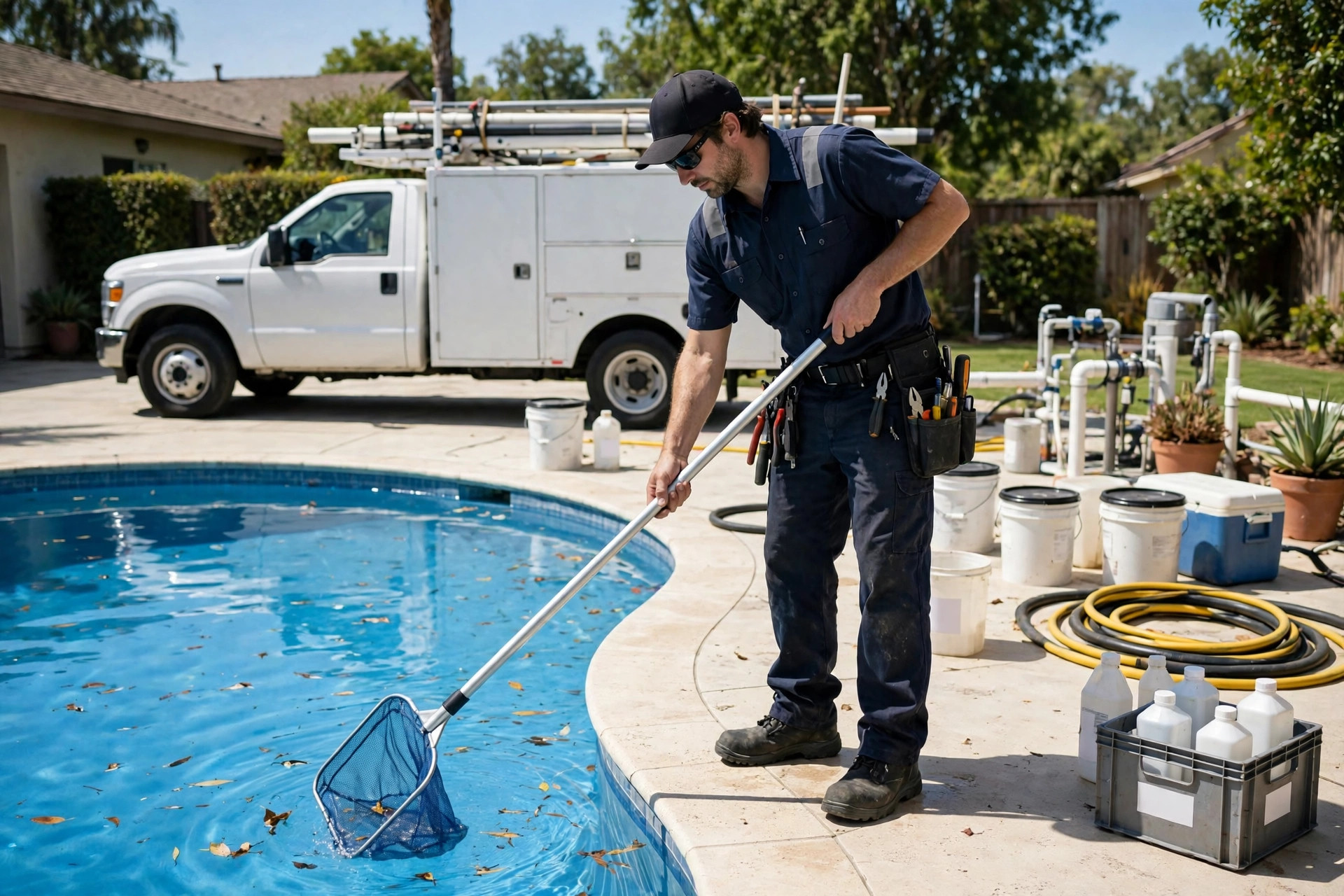
Business Funding for Pool Service Companies: Routes, Trucks & the Chemical Bill (2026)
Routes at 10 to 12 times monthly billing, trucks, and a chemical bill that runs 28 to 33 percent of revenue at scale — how pool service companies borrow without letting route density eat the margin.
Read guide →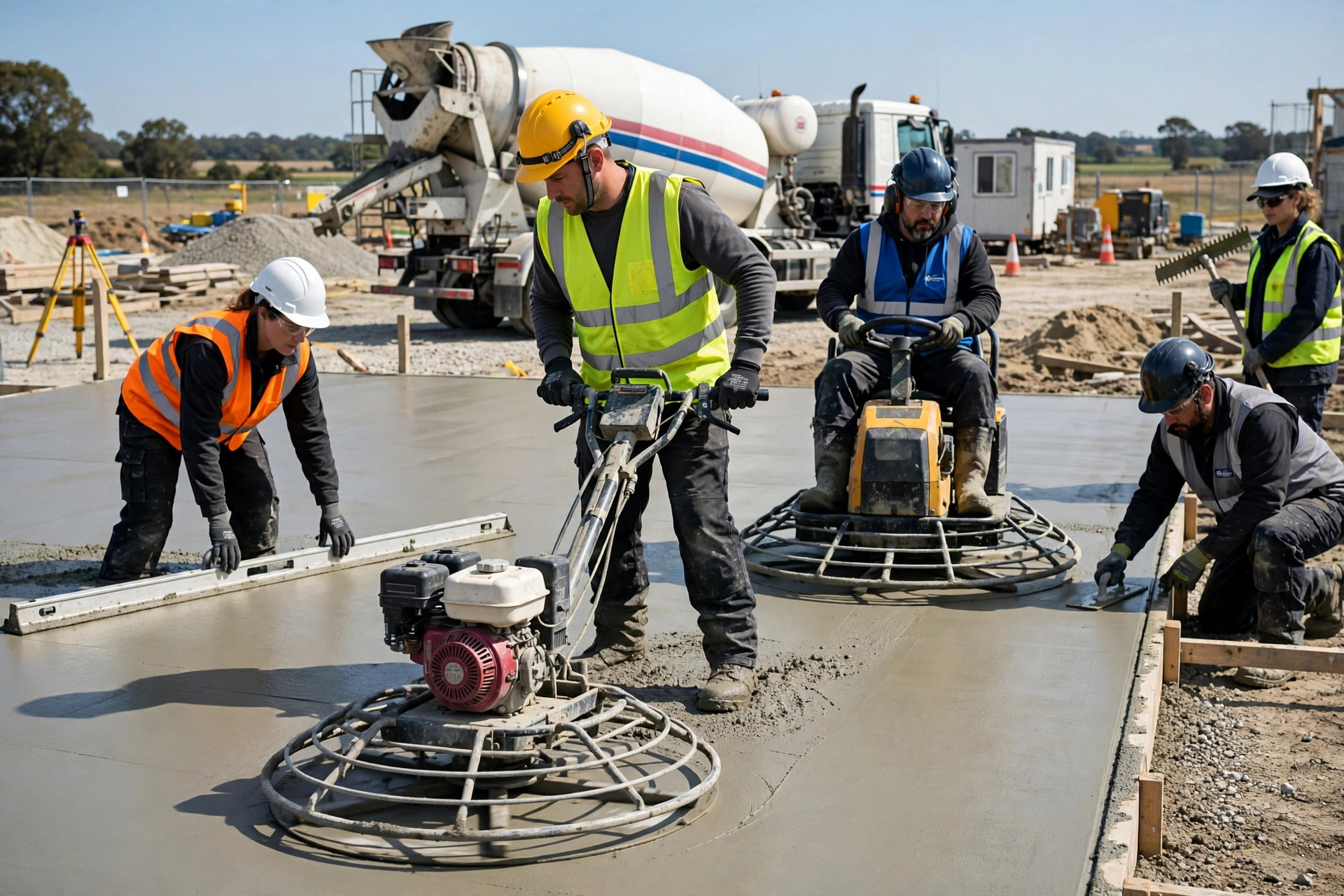
Business Funding for Concrete Contractors: Trucks, Pumps & the Draw-Schedule Float (2026)
Mixer trucks from $150,000 new, pumps, finishing crews, and draw schedules with retainage — how concrete contractors borrow without letting the gap between pour and payment eat the business.
Read guide →
Business Funding for Auto Detailing Businesses: Rigs, Vans & the Route Book (2026)
Mobile rigs from $3,000 lean to $27,000 professional, van and shop costs, and route density — how detailing businesses borrow without letting a rainy month break the route.
Read guide →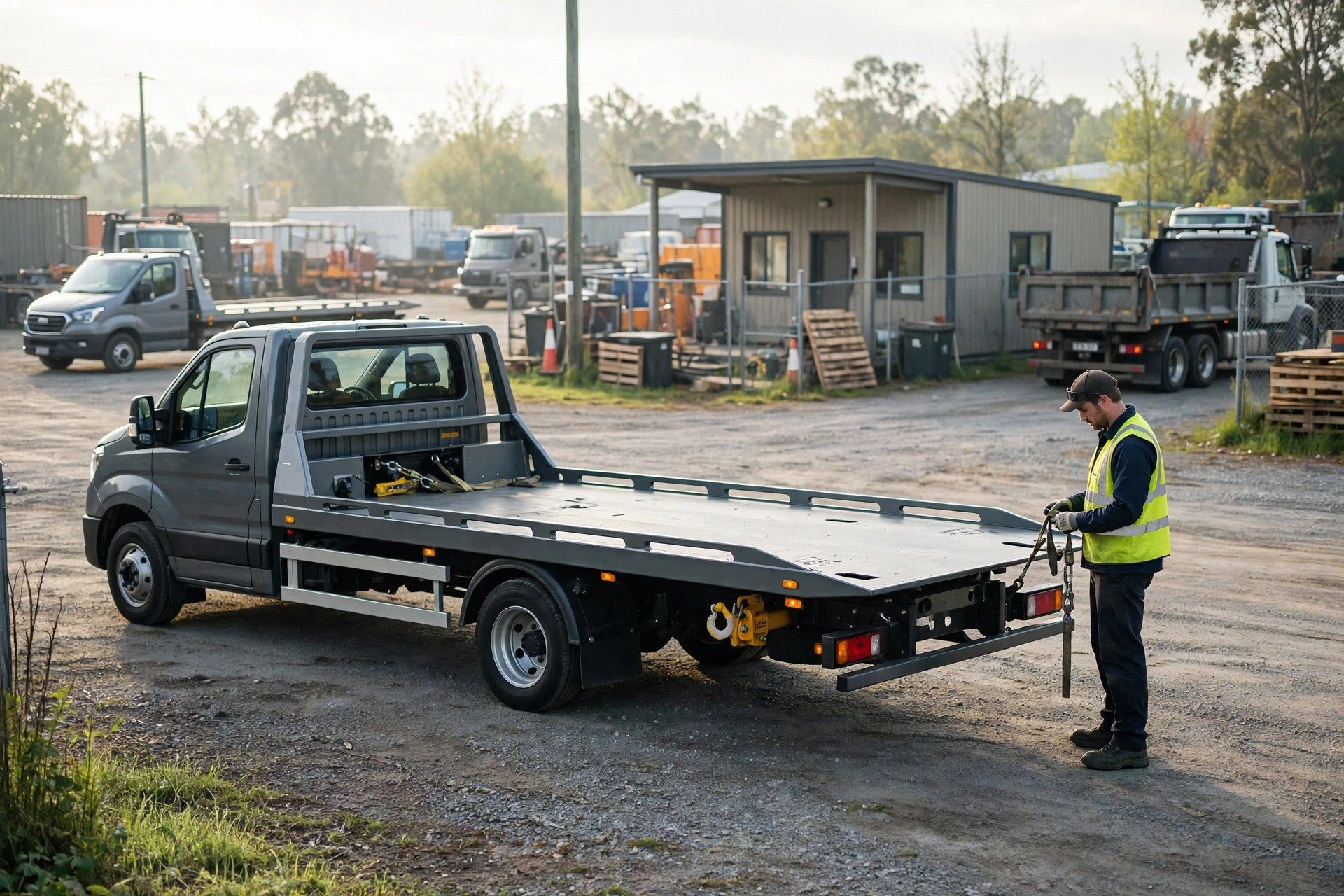
Business Funding for Towing Companies: Trucks, Motor Clubs & 24/7 Cash Flow (2026)
Truck prices from $95,000 rollbacks to $1M rotators, why motor-club rates squeeze margins, and which product fits each towing need — from the first truck to the heavy wrecker.
Read guide →
Business Funding for Liquor Stores: Licenses, Inventory & Thin-Margin Cash Flow (2026)
Startup costs, license timelines, COD inventory, and thin net margins — how liquor stores borrow without letting inventory eat the business.
Read guide →
Business Funding for Painting Companies: Crews, Sprayers & Seasonal Capital (2026)
Startup and equipment costs, why deposits and 30- to 60-day commercial terms drive the deal, and what funders weigh on a painting file — from the first solo kit to the second crew.
Read guide →
Business Funding for Flooring Companies: Vans, Sanders & Showroom Capital (2026)
Install versus retail costs, why deposits and backlog drive the deal, and what funders weigh on a flooring file — from the first install kit to the showroom.
Read guide →
Business Funding for Catering Companies: Kitchens, Vans & the Bookings Float (2026)
Startup and equipment costs, why deposits and 30- to 60-day corporate terms drive the deal, and what funders weigh on a catering file — from the first commissary shift to the second crew.
Read guide →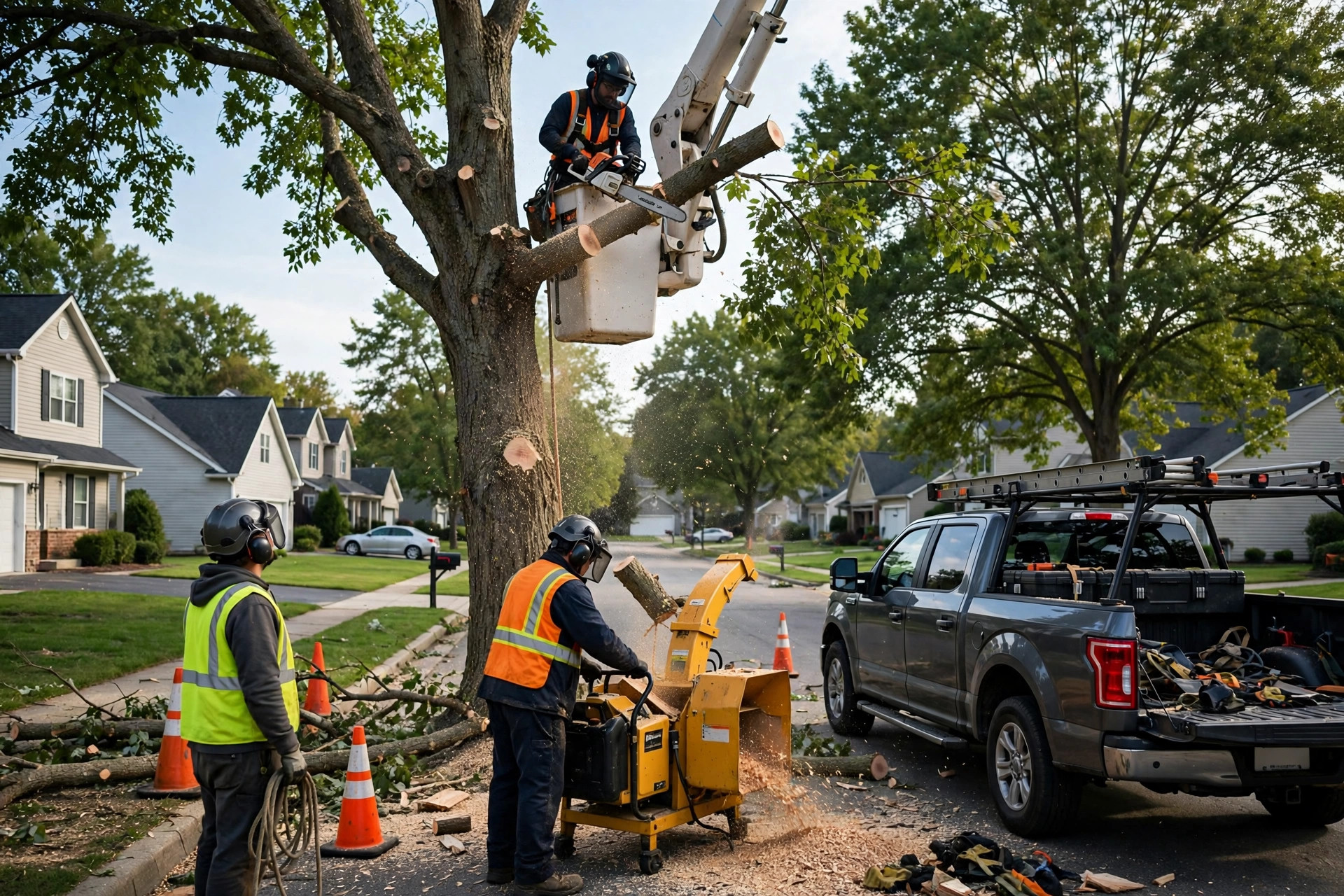
Business Funding for Tree Services: Trucks, Chippers & Storm-Season Capital (2026)
Fleet and equipment costs, why storm season and contract mix drive the deal, and what funders weigh on a tree file — from the first crew to the second truck.
Read guide →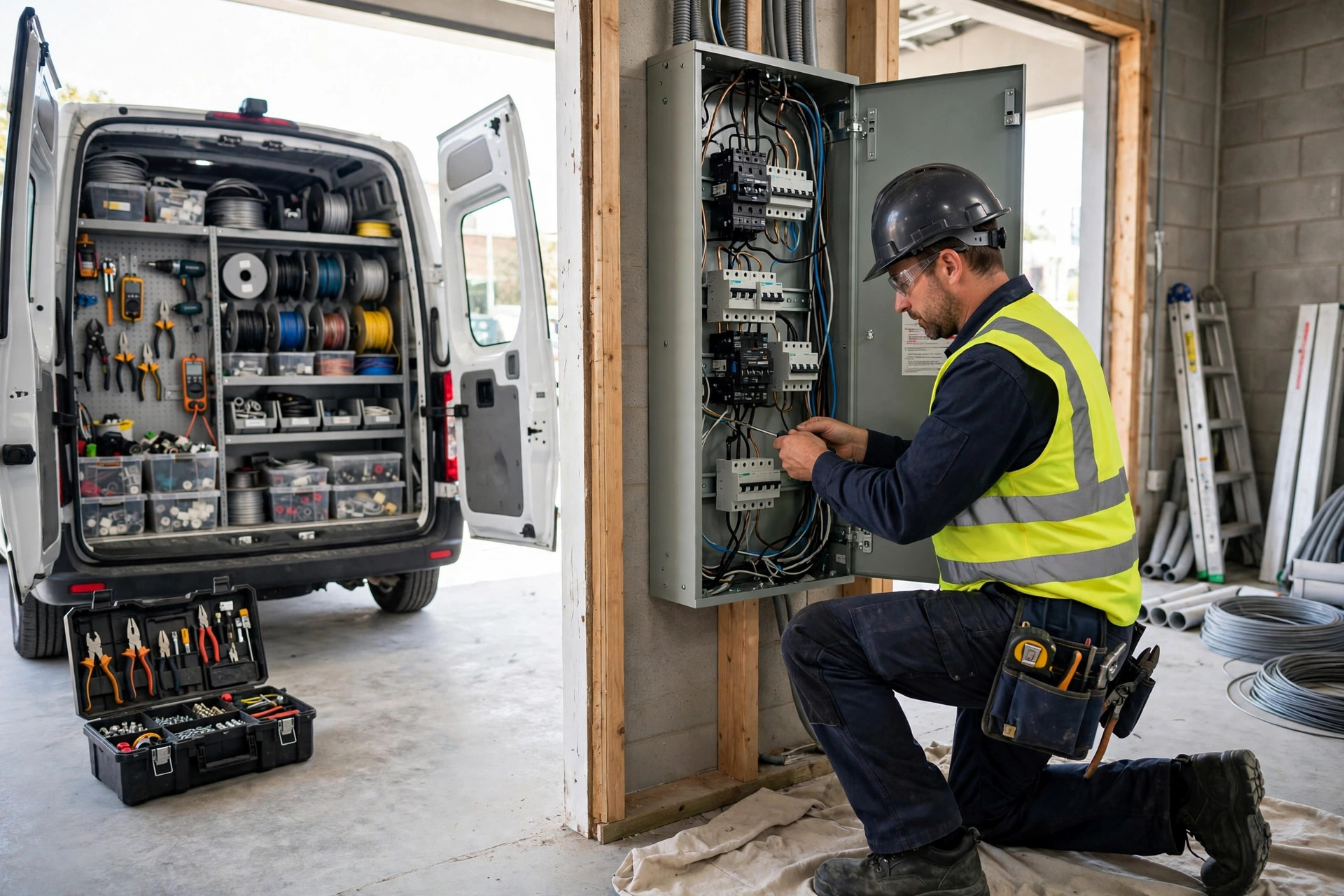
Business Funding for Electrical Contractors: Vans, Crews & Commercial-Surge Capital (2026)
Van and equipment costs, why materials float and 60- to 90-day commercial terms drive the deal, and what funders weigh on an electrical file — from the first van to the second crew.
Read guide →
Business Funding for Home Care Agencies: Payroll Float, Caregivers & Growth Capital (2026)
Startup and payroll-float costs, why payer mix and utilization drive the deal, and what funders weigh on a home care file — from the first client to the second territory.
Read guide →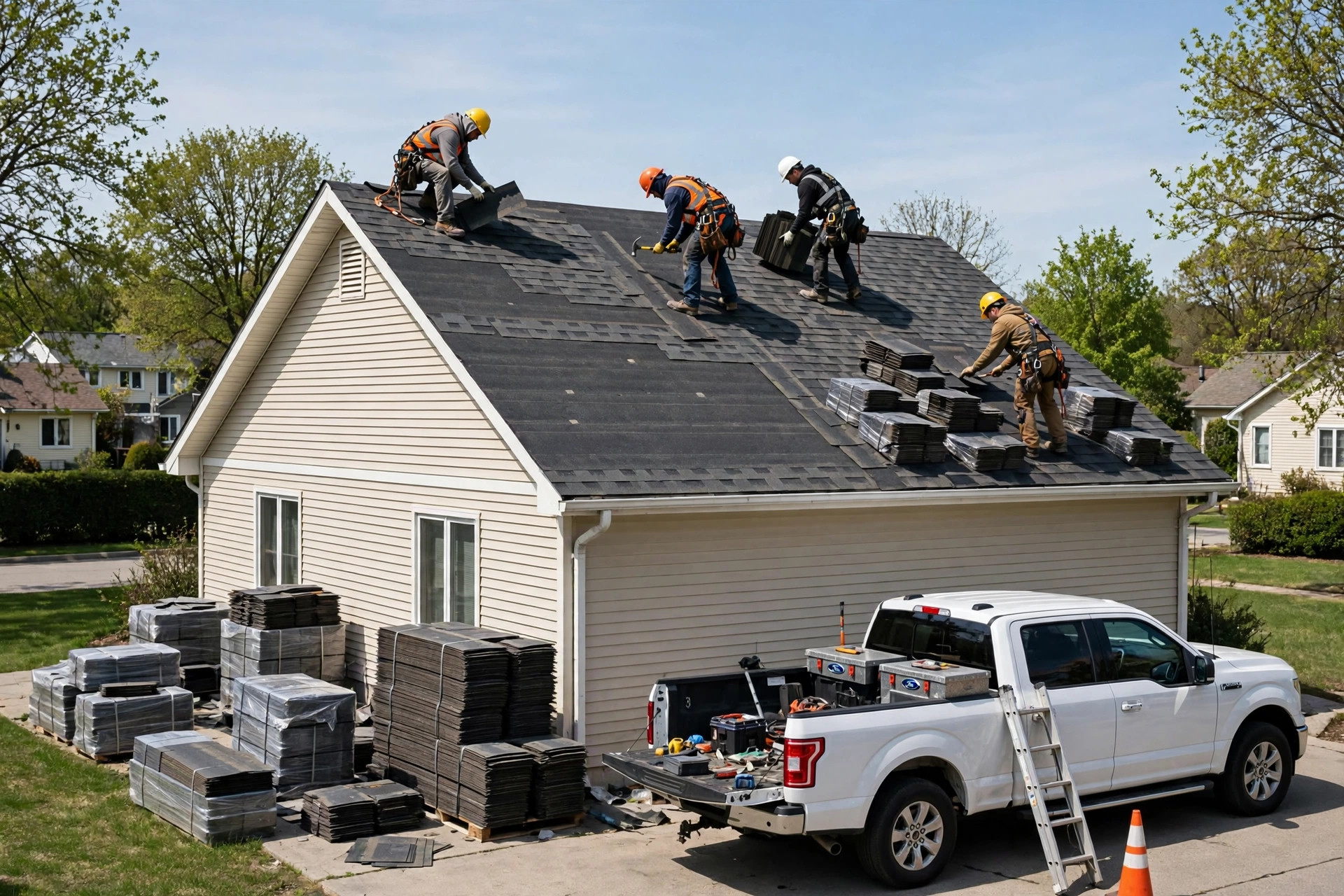
Business Funding for Roofing Companies: Trucks, Crews & Storm-Season Capital (2026)
Truck and equipment costs, why materials float and storm surges drive the deal, and what funders weigh on a roofing file — from the first crew to the second market.
Read guide →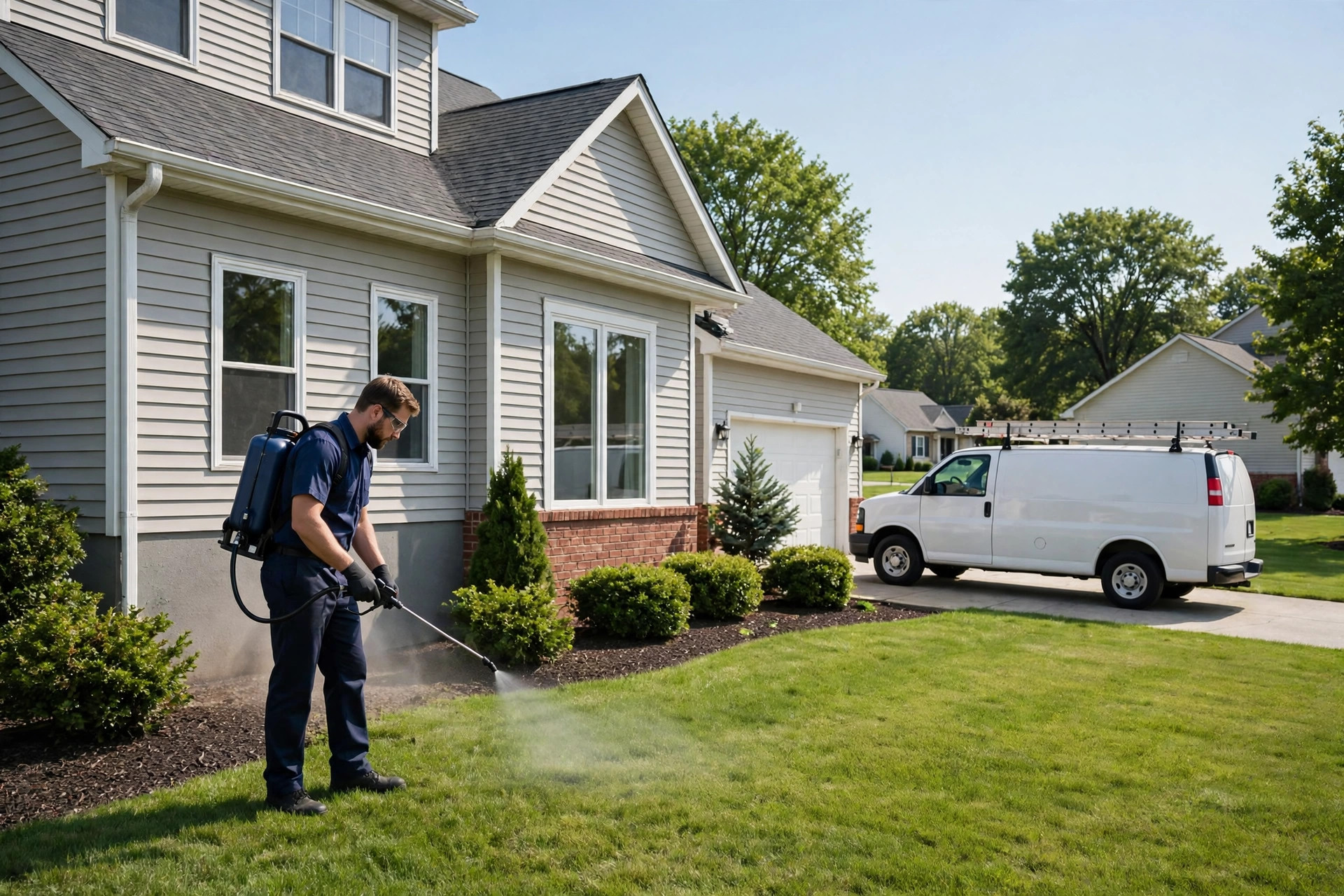
Business Funding for Pest Control Companies: Routes, Recurring Revenue & Growth Capital (2026)
Route and equipment costs, why recurring revenue and route density drive the deal, and what funders weigh on a pest control file — from the first truck to the tenth route.
Read guide →
Business Funding for Florists: Coolers, Holiday Inventory & Working Capital (2026)
Cooler and delivery costs, why holiday spikes and perishable waste drive the deal, and what funders weigh on a florist file — from the first shop to the wedding book.
Read guide →
Business Funding for Breweries: Brewhouses, Canning Lines & Taproom Capital (2026)
Brewhouse and canning-line costs, why taproom margin and the license timeline drive the deal, and what funders weigh on a brewery file — from the nano system to the production floor.
Read guide →
Business Funding for Car Washes: Tunnel Equipment, Memberships & Working Capital (2026)
Tunnel and in-bay costs, why site traffic and memberships drive the deal, and what funders weigh on a car wash file — from the first bay to the express tunnel.
Read guide →
Business Funding for Pet Grooming: Salons, Mobile Vans & Working Capital (2026)
Salon and mobile-van costs, why the appointment book and groomer retention drive the deal, and what funders weigh on a grooming file — from the first salon to the van fleet.
Read guide →
Business Funding for Pharmacies: Inventory, DIR Fees & Working Capital (2026)
PBM and DIR-fee cash gaps, opening and inventory costs, and what funders weigh on a pharmacy file — from opening inventory to the second location.
Read guide →
Business Funding for Laundromats: Machines, Build-Out & Working Capital (2026)
Machine and build-out costs, why the lease term drives the deal, and what funders weigh on a laundromat file — from the first washer to the wash-dry-fold expansion.
Read guide →
Business Funding for Veterinary Practices: Equipment, Expansion & Working Capital (2026)
Imaging and dental equipment costs, startup versus acquisition financing, and what funders weigh on a veterinary file — from the first ultrasound to the second location.
Read guide →
Restaurant Equipment Financing: Ovens, Walk-Ins & Full Kitchen Build-Outs (2026)
2026 kitchen build-out costs, new-versus-used pricing, and which product fits each purchase — plus the ventilation line item everyone forgets.
Read guide →
Business Funding for Food Trucks: Trucks, Trailers and Commissary Capital (2026)
Truck and trailer costs, commissary and permits, opening runway, and which product fits each need — what food truck owners actually borrow for.
Read guide →
Business Funding for Moving Companies: Trucks, Crews and Seasonal Capital (2026)
Box trucks, peak-season crews, insurance, and the winter cash bridge — plus why owning beats renting every peak season.
Read guide →
BlueVine vs OnDeck: Which Business Lender Fits Your File? (2026)
Two online-lending giants, two different products. Disclosed costs, qualification bars, funding speed, and real-dollar math — plus the borrower each one actually fits.
Read guide →
Dental Equipment Financing: Loans, Leases & the 2026 Section 179 Write-Off
How dentists finance chairs, CBCT, and CAD/CAM — loan vs. lease vs. cash advance — and the 2026 tax rules that reward buying before December 31.
Read guide →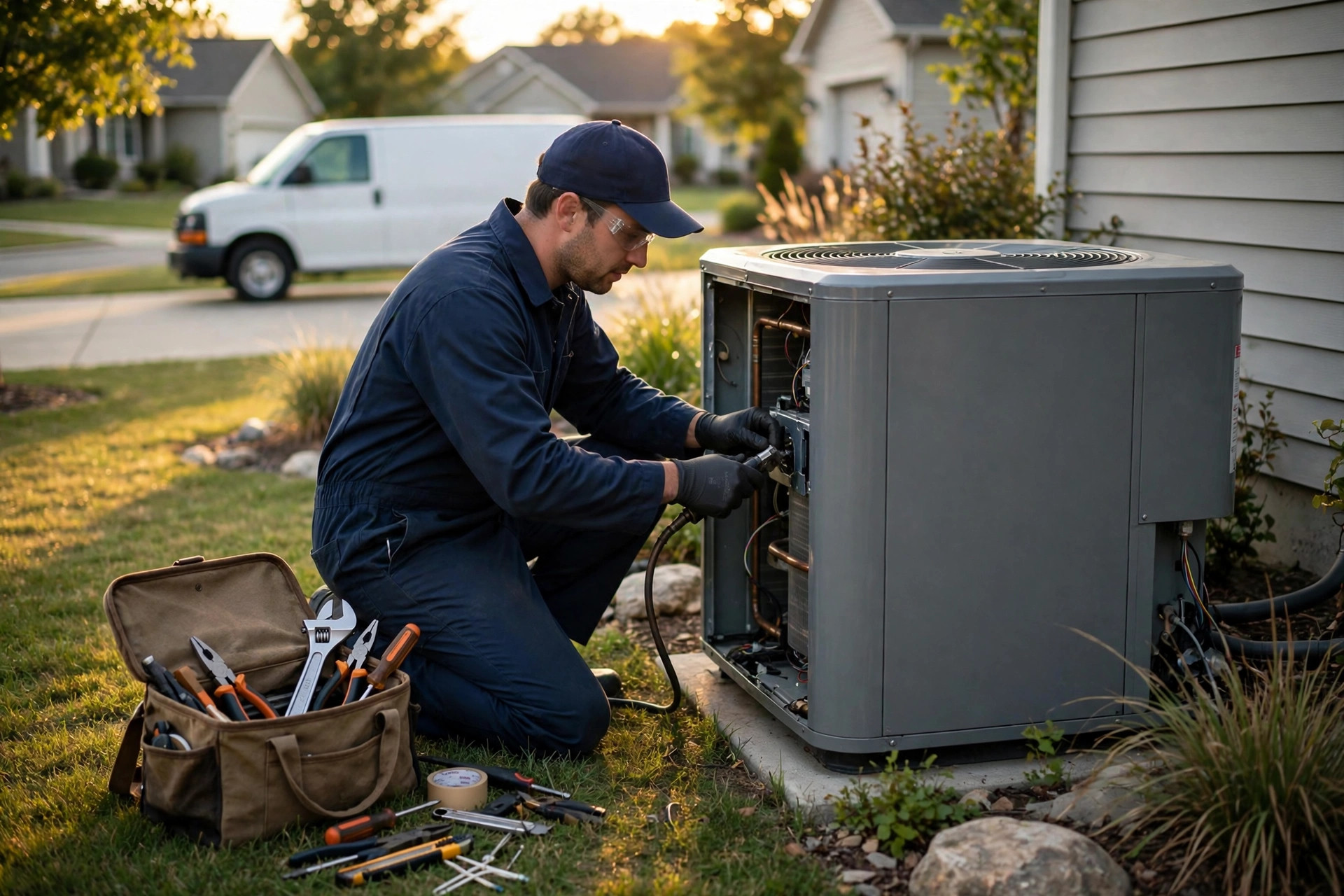
Business Funding for Home Services Companies: HVAC, Plumbing, Electrical & More (2026)
Trucks, techs, and timing — home services runs on all three, and they all cost money before the job pays. The options that fit HVAC, plumbing, electrical, and other trade businesses.
Read guide →
Square Loans vs. Shopify Capital vs. PayPal Working Capital: POS Funding Compared (2026)
Your processor already knows your revenue. What Square, Shopify, and PayPal each charge for funding against it — and when the open market beats them all.
Read guide →
Business Funding for Gyms & Fitness Centers: Equipment, Build-Out & Growth Capital (2026)
Cardio rows, turf zones, and a lease signed before the first member joins. How gyms fund equipment, build-out, and the seasonal cash-flow swing.
Read guide →
Business Funding for Yoga, Pilates & Boutique Fitness Studios: Reformers, Build-Outs & Runway (2026)
Reformer costs, build-out budgets, opening runway, and the utilization math — what boutique studios actually borrow for, and which product fits each need.
Read guide →
Merchant Cash Advance Prepayment Discount: What Early Payoff Really Saves You (2026)
Paying off an MCA early usually saves nothing — unless you negotiate a discount first. How the fixed payback works, what discounts look like, and the payoff-letter checklist.
Read guide →
Business Funding for Staffing Agencies: Payroll Float, Factoring & Growth Capital (2026)
Workers get paid on Friday, clients pay in 45 days. How staffing agencies fund the payroll float with factoring, cover the new-contract ramp, and grow.
Read guide →
Does USAA Offer Business Loans? What Veteran Business Owners Should Do Instead (2026)
USAA doesn’t lend to businesses. The straight answer, what USAA actually offers veterans, and the SBA, grant, and fast-funding paths that work instead.
Read guide →
Business Funding for Wholesale & Distribution Companies: Inventory, Freight & Growth Capital (2026)
Suppliers want paying in 30 days, customers pay in 60, and the container lands before either. How distributors fund inventory buys, receivables gaps, freight spikes, and warehouse growth.
Read guide →
Business Funding for Bakeries & Cafes: Ovens, Build-Outs & Seasonal Cash Flow (2026)
Ovens, mixers, espresso machines, build-outs, and the holiday rush — what bakery and cafe owners actually borrow for, and which product fits each need.
Read guide →
How to Refinance MCA Debt for a Transportation Company: Trucking Refi Guide (2026)
Stacked advances eating the fuel money? Term-loan consolidation vs. reverse consolidation, the refinance math, UCC liens on trucks, and what funders check.
Read guide →
Business Funding for Daycare & Childcare Centers: Licensing, Staffing & Growth Capital (2026)
Mandated staffing ratios, licensing renovations, summer enrollment dips, and second locations. How daycare centers fund compliance, payroll gaps, and growth.
Read guide →
Your Invoice Software Is Selling Financing Now: The Klarna × FreshBooks Play (Oct 2026)
Klarna embedded BNPL and financing into FreshBooks invoicing — your customers can pay in 4 or finance over time. What it costs, who it helps, and what faster receivables do to your funding need.
Read guide →
How Merchant Cash Advance Daily Payments Work (2026)
The daily debit is the defining feature of an MCA — and the part borrowers understand least. How the fixed amount is set, what happens on weekends and bank holidays, what an NSF really costs, and how to manage cash flow around the debits.
Read guide →
Business Funding for Bars & Nightlife: Renovations, Liquor Inventory & Seasonal Cash Flow (2026)
Buildout, liquor inventory, sound and lighting, staffing, and the slow-season float — what bars actually fund, and what underwriters really look at.
Read guide →
How Much Working Capital Does Your Business Actually Need? The Cushion Formula (2026)
Weekly operating expenses times trade-adjusted weeks: the cushion formula with rules of thumb for restaurants, trucking companies, and contractors — plus term loan vs line of credit vs MCA.
Read guide →
Kapitus vs. OnDeck: Which Revenue-Based Lender Fits Your Business? (2026)
Two revenue-based lenders, two different answers: the bigger-check funder with the broader shelf vs. the transparent term loan with the lower entry bar.
Read guide →
National Funding vs. OnDeck: A Broker's Honest Comparison (2026)
Equipment-and-working-capital specialist vs. the brand-name term loan. Factor-rate speed against transparent quoting — compared on verified figures, not marketing.
Read guide →
Business Funding for Manufacturing Companies: Equipment, Materials & Growth Capital (2026)
Equipment financing vs MCA, raw-materials purchasing, SBA 7(a) for owner-occupied plants, purchase-order financing, and seasonal cash-flow planning. How manufacturers fund the plant.
Read guide →
Business Funding for Law Firms: Case Costs, Partner Buyouts & Growth Capital (2026)
Case-cost financing for contingency practices, partner buy-ins and buyouts, legal fee financing, and growth capital. How law firms fund the gap between billings and collections.
Read guide →
Hotel & Hospitality Business Loans: Renovations, FF&E & Working Capital (2026)
Renovations, FF&E, SBA 7(a), seasonal working capital, and franchise PIPs. How hotel and hospitality operators fund the property — and the off-season.
Read guide →
Business Funding for Landscaping Companies: Equipment, Crews & Seasonal Cash Flow (2026)
Commercial mowers, trucks, trailers, crew payroll, and the winter cash-flow gap. How landscaping companies fund the season — and the off-season.
Read guide →
Equipment Financing for Landscaping Companies: Mowers, Trailers & Trucks (2026)
The question landscapers keep asking, answered straight: how equipment financing works for zero-turns, dump trailers and trucks — loan vs. lease, new vs. used, seasonal payments, and the Section 179 angle.
Read guide →
How Much Does a Merchant Cash Advance Cost? Factor Rates, Fees & True APR (2026)
The factor rate is only the headline — $50K at 1.30 repays $65K, but the term and the fee stack decide the real cost. Worked tables, the fee-by-fee breakdown, and a 60-second offer comparison.
Read guide →
Business Funding for Startups: What Actually Gets Funded (2026)
Startup funding exists, but it doesn’t look like the ads promise. What gets funded at 0, 6, and 24 months — equipment, SBA microloans, cards, and the revenue line that unlocks advances.
Read guide →
The Bank Lane Is Closing: Why Banks Keep Denying Business Loans (2026)
41% of denied firms say too much debt, SBA approvals fell by thousands, and banks are picking the safe files. The data behind denials — and what works after a "no."
Read guide →
Your Contractor Software Is Now Selling Loans: The Fora × Jobtread Embedded-Funding Play (Oct 2026)
Fora Financial embedded a 4-hour-approval, $1.5M-ceiling funding offer inside Jobtread's contractor software. What the offer actually is — and the broker's counter-move.
Read guide →
Business Funding for Retail Stores: Inventory, Buildouts & Seasonal Cash Flow (2026)
Inventory, holiday stock, buildouts, and the seasonal float. The funding options that fit how retail actually runs — and how to time them around the holidays.
Read guide →
EIN-Only Business Loans: What You Can Actually Get Without a Personal Credit Pull (2026)
EIN-only is the most overpromised phrase in funding. Which products actually run on your business's tax ID, what "no personal guarantee" really costs, and the path to true EIN-only credit.
Read guide →
What Credit Score Do You Actually Need for a Merchant Cash Advance? (2026)
MCAs have no hard credit gate — but your score shapes pricing and terms. Why revenue underwriting dominates, verified funder minimums, and what gets you funded.
Read guide →
How Fast Is Business Funding? Banks vs. Credit Unions vs. Online Lenders (2026)
Banks take weeks. Online lenders can fund in a day. Credit unions sit in between. What drives the gap — and how to get your money sooner.
Read guide →
Business Funding for Salons, Spas & Beauty Businesses: Chairs, Inventory & Working Capital (2026)
Chair buildouts, lease deposits, retail inventory, equipment, and the slow-season float. The funding options that fit how beauty businesses actually run.
Read guide →
The MCA Payoff Letter: The One Document Standing Between You and Cheaper Financing (2026)
Refinancing an MCA? The payoff letter is what makes it happen — how to request it, what it must include, and the traps funders use to stall it.
Read guide →
Business Funding for Auto Repair Shops: Equipment, Bays & Working Capital (2026)
Lifts, diagnostic tools, parts inventory, and technicians all cost money before the invoice is paid. The funding options that actually fit how this industry works.
Read guide →
Business Funding for Franchises: Fees, Buildouts & Working Capital (2026)
Franchise funding has its own rulebook: franchise fees, buildouts, equipment packages, and working capital to breakeven — SBA 7(a), term loans, and what fits each stage.
Read guide →
Business Funding for Cleaning Companies: Equipment, Crews & Contracts (2026)
Recurring contracts make cleaning companies fundable — but equipment, crews, bonding, and net-60 invoices all cost money first. The options that fit how this industry works.
Read guide →
Merchant Cash Advance Debt Relief: The 5 Real Options, Ranked (2026)
Drowning in daily debits? The five real exits — modification, refinance, reverse consolidation, settlement, legal help — ranked by damage, with the scam red flags.
Read guide →
Best Business Loans for Contractors: Draws, Equipment & Growth (2026)
Contractor funding that fits how the trades actually get paid: draw float, equipment, payroll, and growth capital — products matched to each real need.
Read guide → class="post-card" href="how-to-compare-mca-offers.html">
How to Compare Merchant Cash Advance Offers: The 7 Numbers That Matter (2026)
Two MCA offers can look nearly identical and cost thousands of dollars apart. Here is the 7-number checklist to compare any two offers apples-to-apples — before you sign.
Read guide →
MCA for Dental Practices: How Fast Funding Works When Insurance Payouts Lag (2026)
The chairs are full and the insurance checks are 60 days out. Here's how dental practices use merchant cash advances to bridge the reimbursement gap — with honest cost math and every alternative compared.
Read guide →
Business Funding for Plumbers: MCA, Term Loans & Equipment Financing (2026)
Plumbing shops front materials costs and wait 30-60 days to get paid. Here's how MCAs bridge the gap — plus when equipment financing or invoice factoring is the cheaper play, with honest cost math.
Read guide →
Business Funding for HVAC Contractors: MCA, Term Loans & Equipment Financing (2026)
HVAC shops front thousands in equipment before the customer's check clears — and shoulder seasons starve the schedule. Here's how MCAs bridge the gap, with honest cost math and every cheaper alternative compared.
Read guide →
Business Funding for Medical Practices: MCA, Term Loans & Equipment Financing (2026)
You treat patients today and the insurance check arrives 60 days later. Here's how medical practices use MCAs to bridge the reimbursement gap — with honest cost math and every alternative compared.
Read guide →
MCA vs Business Line of Credit: Which Is Right for Your Business? (2026)
Two products, two completely different jobs. The honest $50,000 cost math — MCA at ~177% APR-equivalent vs. a line of credit at 15% APR — plus the five real-world scenarios where each one wins.
Read guide →
MCA vs SBA Loan: Which Is Right for Your Business? (2026)
The cheapest capital in small business versus the fastest. Honest $100,000 math — SBA at 11% over 5 years vs. an MCA at ~177% APR-equivalent — plus when to refinance one into the other.
Read guide →
Invoice Factoring vs. Invoice Financing: What's the Difference? (2026)
Both turn unpaid invoices into cash this week — but one sells the invoice and the other borrows against it. The honest $100,000 cost math, recourse vs. non-recourse, and which one fits your business.
Read guide →
How to Refinance a Merchant Cash Advance (and Escape the Stacking Cycle) (2026)
Three stacked advances draining your account daily? The three refinance paths, the honest $150,000 stacking math, the real qualification bar, and the six-step playbook to get out.
Read guide →
Business Funding for Trucking Companies & Owner-Operators (2026)
MCA vs factoring vs equipment financing with honest per-truck math, the real MC/DOT qualification bar, five real scenarios, the stacking trap, and a freight-calendar borrowing plan.
Read guide →
Equipment Financing for Bad Credit: What Actually Works (2026)
The machine you want to buy is also the machine that secures the loan. The real credit tiers, the 10-20% down-payment rule, sale-leaseback, the three bad-credit traps, and the honest $60,000 cost math.
Read guide →
Equipment Financing vs. Merchant Cash Advance: Which Funds Your Next Machine? (2026)
Both can put iron on your lot — but one can cost two to three times as much. The honest $80,000 cost math, the real timelines, and the emergency exception.
Read guide →
How Much Business Funding Can I Get? The Revenue-Based Loan Size Guide (2026)
The one-month rule, a worked funding-size table by monthly revenue, and the five factors that move your offer up or down — before you ever apply.
Read guide →
Business Loans for Bad Credit: What Your Score Actually Gets You (2026)
Bad credit changes the menu — it doesn't end the conversation. Which products actually approve scores under 600, what each costs in real dollars, and the traps priced for desperate borrowers.
Read guide →
How Long Does Business Funding Take? Timelines for Every Loan Type (2026)
An MCA can fund in a day; an SBA loan can take three months. Honest application-to-money timelines for every funding product, the 5 delays that add days, and how to get the fastest funding you qualify for.
Read guide →
Business Loans With No Personal Guarantee: What's Real, What's Marketing (2026)
Which products genuinely skip the personal guarantee, where “no PG” marketing hides a blanket lien or higher pricing, and the 5 questions to ask before you sign.
Read guide →
No Credit Check Business Loans: What's Real, What's Marketing, and the Scams to Avoid (2026)
What “no credit check” actually means — soft pulls vs. statement-based underwriting, where no-check funding is legitimate, what it really costs, and the red flags that mark a scam.
Read guide →
Banks vs. Fintech Lenders vs. Brokers: Where to Apply for Business Funding in 2026
Banks, fintech lenders, or a broker? Cost, speed, and approval odds compared honestly — and the questions that tell you which lane fits your business.
Read guide →
How to Submit Bank Statements for a Funding Application: The Complete Checklist (2026)
Your statements are the real application. Exactly what to include, the 7 mistakes that stall or kill funding, and how to submit fast — a clear phone photo is fine, no scanner needed.
Read guide →
MCA Renewal vs. Second Advance: Which Is Cheaper? (2026)
Your funder offered a renewal — is it cheaper than a separate second advance? The $12,000 renewal trap, the one-line formula that settles it, when renewal genuinely wins, and the 3 questions to ask before you sign.
Read guide →
SBA Loan Rules 2026: What Actually Changed October 1
0% fees for manufacturers, food supply chain, and rural businesses — but tougher acquisition math (1.25x on real earnings) and still no MCA refinancing. The broker-honest breakdown, and what to do when SBA isn’t a fit.
Read guide →
Can You Refinance an MCA with an SBA Loan? The 2026 Answer
The 2026 answer is no — MCA and factoring debt can't be rolled into an SBA loan (prohibited since June 2025). The rule, why stale blogs still say yes, and the honest sequence: resolve the MCA first, then apply with a clean file.
Read guide →
MCA Stacking: What an Underwriter Sees With Multiple Advances (2026)
Two advances can be strategy; four is a spiral. The MCA-load formula underwriters actually use, what 1st/2nd/3rd position means for your file, when two positions are fine — and the three exits if you're stacked.
Read guide →
Fora Financial vs. BlueVine vs. Credibly: A Broker's Honest Comparison (2026)
The comparison lenders won't write themselves: Fora vs. BlueVine vs. Credibly on products, cost, speed, and fit — who each one actually suits, and when none of the three is the answer.
Read guide →
Why Funders Ask for Proof of Insurance — and What a Lapsed Policy Does to Your Funding (2026)
The stipulation that stalls more funded deals than any other: what a certificate of insurance is, what funders check on it, and what a lapsed policy does to your money.
Read guide →
How to Use AI to Compare Business Loan Offers (Without Getting Burned) (2026)
AI is a brilliant loan-offer analyst — and a terrible judge of what the offer didn't say. The copy-paste prompt, the 7 numbers to feed it, the 5 traps it misses, and what still needs a human broker.
Read guide →
MCA Factor Rate Calculator: See the True Cost of Any Offer (2026)
An interactive tool, not another article: enter any advance, factor rate, term, and fees to see total payback, daily payment, and the APR-equivalent — plus the worked example that catches the factor-rate trap.
Try the calculator →
Seasonal Business Funding: How to Survive the Off-Season (and Win the Peak) (2026)
Seasonal businesses die on calendar math, not bad ideas. When to borrow before the holidays, which products fit slow months, the honest $80,000 holiday-inventory math, and the off-season playbook that keeps you open in February.
Read guide →
MCA Subordination Agreements & UCC Lien Removal: Clear the Path Before You Refinance (2026)
Approved for cheaper financing but stuck at the lien search? What MCA funders’ UCC filings mean, how subordination agreements work, and the step-by-step playbook for clearing liens before you refinance.
Read guide →
Reverse Consolidation: The Stacked-MCA Borrower's Exit Ramp (2026)
Stacked advances, one payment. How reverse consolidation actually works, who qualifies, the honest watch-outs, and why private capital poured millions into it this October.
Read guide →
The 7 Things Funders Check on Your Bank Statements (2026)
The underwriter's checklist, published: the 7 things every funder checks on your bank statements before approving a deal — and how to make your file look fundable.
Read guide →
Best Merchant Cash Advance Companies in 2026: 8 Funders Compared
Eight MCA funders worth your application, ranked by fit instead of ad budget — verified minimums, real advance ranges, and the honest catch on each one.
Read guide →
Credibly vs. Fora Financial: The Honest MCA Head-to-Head (2026)
The two MCA-first funders merchants ask about by name — one built for speed and low floors, the other for bigger checks. Compared on verified figures, not marketing.
Read guide →
Rapid Finance vs. Plexe: Two Very Different Speed Lenders (2026)
Five products and a human process versus an app-based revolving line with automated underwriting. Neither publishes its rates — so structure and fit decide.
Read guide →
Business Funding for Dry Cleaners: Machines, Routes & Commercial-Account Capital (2026)
Machines, payroll, and delivery are paid weeks before commercial accounts pay net-30. The five cash demands of a dry cleaner and the products matched to each one.
Read guide →
Business Funding for Jewelry Stores: Inventory, Bridal & Holiday-Season Capital (2026)
Holiday and bridal inventory is bought months before it sells, with much of the case on memo. The five cash demands of a jewelry store and the products matched to each one.
Read guide →
Business Funding for Print & Sign Shops: Presses, Substrates & Commercial-Account Capital (2026)
Presses, substrates, and installation are paid weeks before commercial accounts pay net-30. The five cash demands of a print shop and the products matched to each one.
Read guide →
Business Funding for Self-Storage Facilities: Construction, Lease-Up & Expansion Capital (2026)
Land, steel, and systems are paid years before occupancy climbs to stabilization. The five cash demands of a storage facility and the products matched to each one.
Read guide →
Business Funding for Funeral Homes & Crematories: Facilities, Fleets & the Collection Float (2026)
Facilities, prep rooms, and fleets are paid years before insurance assignments and pre-need trusts pay out. The five cash demands of a funeral home and the products matched to each one.
Read guide →
MCA vs. Invoice Factoring: Which Turns Tomorrow's Money Into Cash Cheaper? (2026)
An MCA sells your future sales; factoring sells invoices you have already issued. The real cost math, the recourse trap, and the decision rule that picks the right one.
Read guide →
Business Funding for Tattoo Studios: Stations, Build-Outs & the Slow-Month Float (2026)
A studio buys its room in one expensive gulp and earns it back in lumpy session revenue. The five cash demands and the products matched to each one.
Read guide →
Business Funding for Dance Studios: Floors, Mirrors & the Recital Float (2026)
A studio buys a sprung floor and a wall of mirrors up front, then earns it back in monthly tuition. The five cash demands and the products matched to each one.
Read guide →
Business Funding for Coffee Shops: Machines, Build-Outs & the Morning Rush (2026)
A drink-led business built around one expensive machine and a three-hour morning rush. The format cost ladder and the products matched to each need.
Read guide →
Business Funding for Wineries & Vineyards: Three Doors, One Expensive Calendar (2026)
A farm, a factory, and a tasting room wearing one label. Pick the production model first — it sets the whole budget, from a 50,000-dollar crush label to a multi-million-dollar estate.
Read guide →
Business Funding for Snow Removal Services: Trucks, Contracts & the Off-Season Float (2026)
The winter is short and the truck gets paid whether it snows or not. Equipment tiers, contract math, and the off-season float.
Read guide →
Business Funding for Locksmith Companies: Vans, Key Programming & the Contract Book (2026)
A van with a workshop inside it, and a programming tool that pays for itself in 15 to 25 jobs. Startup tiers and the products matched to each need.
Read guide →
Is a Merchant Cash Advance Tax Deductible? Fees, Interest Treatment & the 2026 Rules
The advance itself is not deductible, but the cost of the advance usually is. The three buckets, the principal-versus-cost split, and the traps that get MCA returns filed wrong.
Read guide →
Business Funding for Wedding Venues: Renovations, Off-Season Float & the Deposit Calendar (2026)
A venue sells a date, collects deposits a year ahead, and still has to fix the roof before Saturday. The five cash demands and the products matched to each one.
Read guide →
Business Funding for Churches: Buildings, Balloons & the Giving Calendar (2026)
A church buys its building in one expensive gulp and pays for it out of seasonal giving. The five cash demands and the honest split between mortgages and fast money.
Read guide →
Business Funding for Barbershops: Chairs, Booth Rent & the Slow-Chair Month (2026)
A shop can open on eight thousand dollars or two hundred thousand — the difference is booth rental versus commission. The five cash demands and the products matched to each one.
Read guide →
Business Funding for Bowling Alleys: Lanes, Leagues & the Bar That Pays for Them (2026)
A building with a very expensive floor. The lane package sets the budget, leagues are the annuity, and the bar is the margin.
Read guide →
Business Funding for Photography Studios: Lenses, Leases & the Editing Load (2026)
The lenses cost more than the camera, and four to six editing hours hide behind every shoot. Startup bands by specialty and the products matched to each need.
Read guide →
Business Funding for Handyman Services: Tools, License Limits & the Booking Book (2026)
The cheapest real business to start — and the easiest to mistake for a hobby. Startup tiers, license limits, and the products matched to each need.
Read guide →
Business Funding for Vending Machine Businesses: Locations, Commissions & the Route (2026)
The machine is not the business; the location is. Startup tiers, commission math, the cashless imperative, and the route-building product map.
Read guide →
Business Funding for Solar Installation Companies: Equipment, Project Float & Growth Capital (2026)
Panels, inverters, and crews are paid weeks before the customer pays in full. The five cash demands of a solar installer and the products matched to each one.
Read guide →
Business Funding for Pressure Washing Companies: Rigs, Routes & Seasonal Capital (2026)
Crews are paid weekly, commercial clients pay net-30, and winter slows the route. The five cash demands of a pressure washing company and the products matched to each one.
Read guide →How to Compare Merchant Cash Advance Offers: The 7 Numbers That Matter (2026)
Two MCA offers can look nearly identical and cost thousands of dollars apart. Here is the 7-number checklist to compare any two offers apples-to-apples —…
Read guide →
Merchant Cash Advance vs. Term Loan: The Real Cost Math (2026)
MCA vs. term loan with the real numbers: a worked $50,000 cost comparison, daily debits vs. monthly payments, qualification floors, and when each product…
Read guide →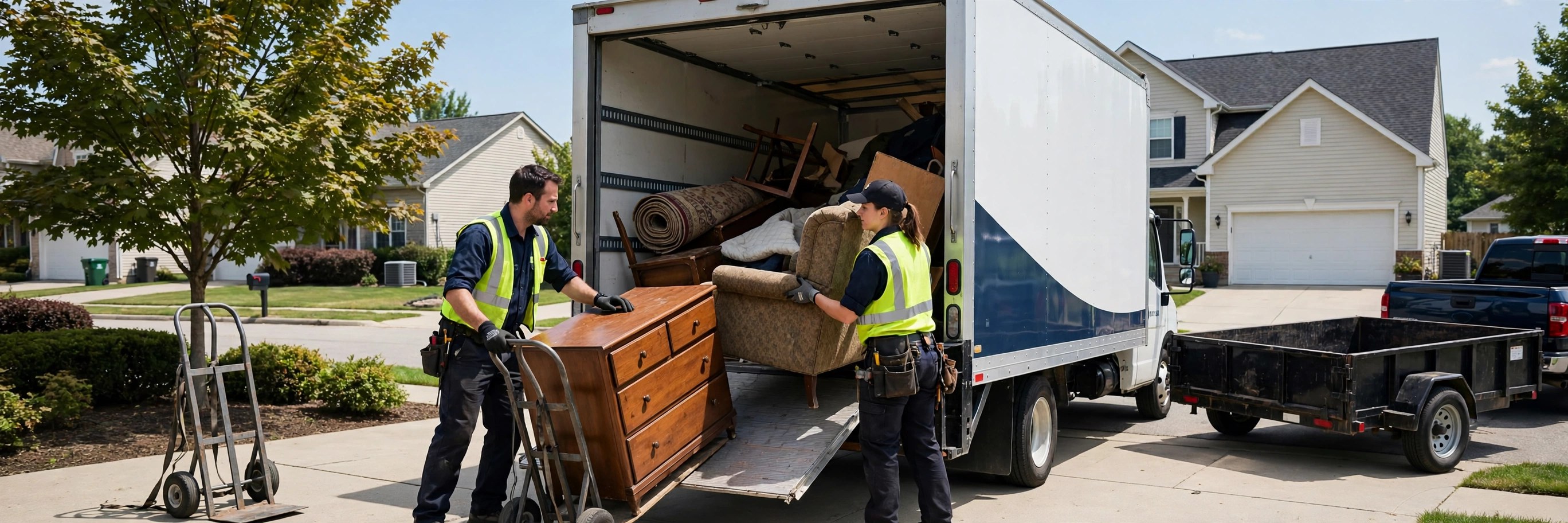
Business Funding for Junk Removal Companies: Trucks, Dump Fees & the Route (2026)
The truck is not the business. Startup tiers, the disposal math that eats new operators, and the route-building product map.
Read guide →
Business Funding for Window Cleaning Companies: Routes, Contracts & the Pole System (2026)
The cheapest real trade to enter. Startup tiers, the pricing ladder from homes to towers, and why the monthly route is the business.
Read guide →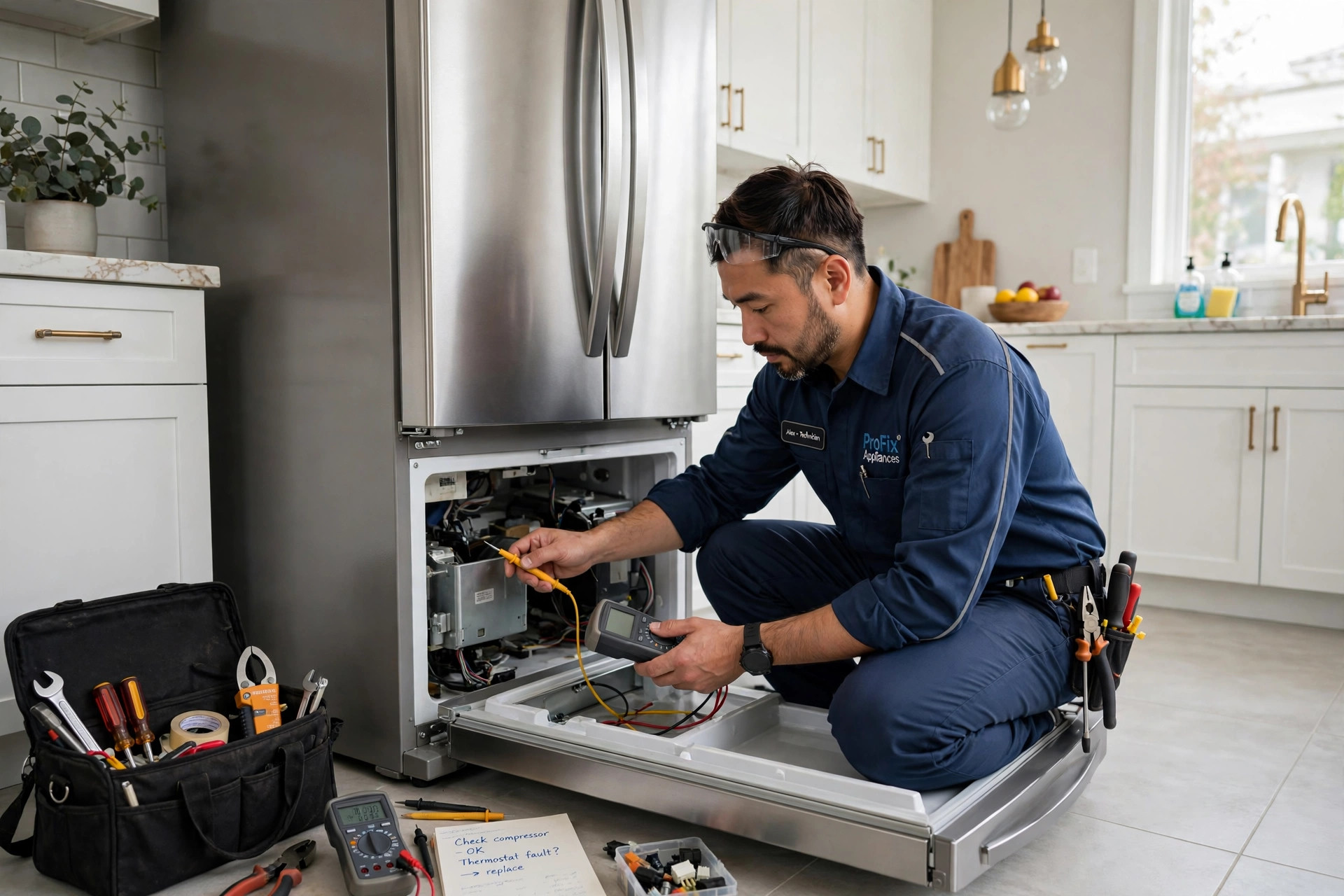
Business Funding for Appliance Repair Companies: Vans, Tickets & the Parts Margin (2026)
Vans, tickets, and parts markup — appliance repair funds on completed calls, not hours. Startup bands, the first-time fix rate, and which product fits each need.
Read guide →
Business Funding for Fencing Companies: Feet, Crews & the Materials Float (2026)
Feet, crews, and the materials float — fencing funds on installed jobs paid after materials are bought. Per-foot pricing, crew costs, and which product fits each need.
Read guide →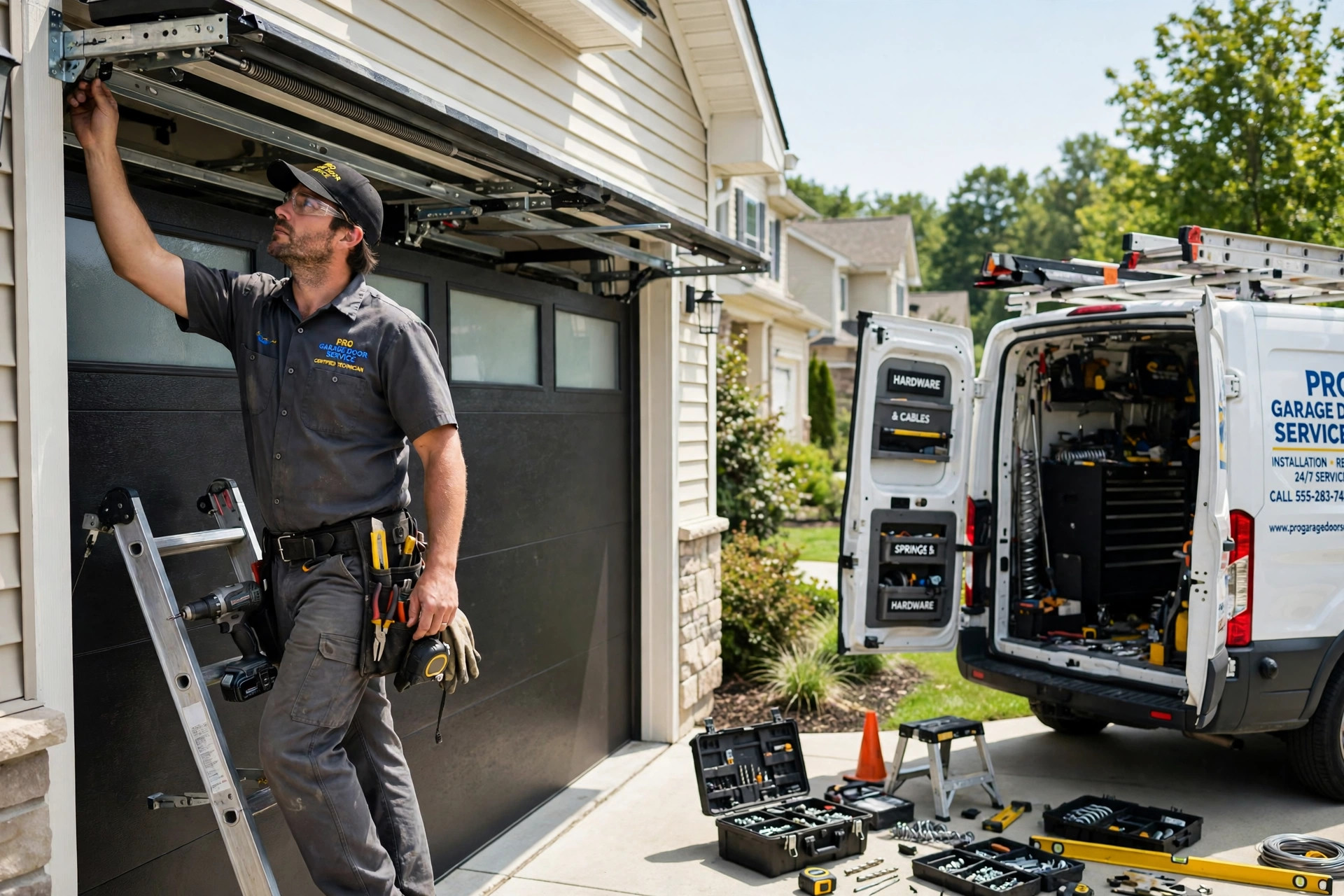
Business Funding for Garage Door Companies: Trucks, Tickets & the Second Truck (2026)
Tickets, trucks, and the second-truck leap — garage door funding on completed calls. Repair bands, startup costs, and which product fits each need.
Read guide →
Business Funding for Drywall Contractors: Square Feet, Draw Schedules & the Float (2026)
Square feet and draw schedules — drywall funds on the float between payroll and the GC check. Per-foot pricing, crew costs, and which product fits each need.
Read guide →
Business Funding for Tire Shops: Bays, Inventory & the Alignment Margin (2026)
Bays, inventory, and the alignment margin — tire shop funding on completed tickets. Startup bands, equipment costs, and which product fits each need.
Read guide →
Business Funding for Tutoring Companies: Hours, Hiring & the Fall Enrollment Push (2026)
Hours, hiring, and the fall enrollment push — tutoring funding on the rate ladder. Platform cuts, payroll float, and which product fits each need.
Read guide →
Business Funding for Freight Brokers: Margins, the $75,000 Bond & the Carrier-Pay Gap (2026)
Margins, the $75,000 bond, and the carrier-pay gap — freight broker funding on the 30-to-60-day float. Startup costs, factoring rates, and which product fits each need.
Read guide →
Business Funding for RV Parks & Campgrounds: Sites, Seasonality & the Expansion Loan (2026)
Sites, seasonality, and the long-stay surge — RV park funding on occupancy and per-site cost. Build costs, cap rates, and which product fits each need.
Read guide →
Business Funding for Marinas & Boat Charters: Slips, Seasonality & the Charter License (2026)
Slips, seasonality, and the charter license — marina funding on occupancy and per-slip cost. Build costs, the Six-Pack credential, and which product fits each need.
Read guide →
Business Funding for Distilleries: The DSP Permit, the Barrel Clock & the $2.70 Proof Gallon (2026)
The DSP permit, the barrel clock, and the $2.70 proof gallon — distillery funding on aging inventory and distributor terms. Startup costs, excise math, and which product fits each need.
Read guide →
Business Funding for Etsy Sellers: Fees, Payouts & the Inventory Trap (2026)
Fees, payouts, and the inventory trap — Etsy seller funding on the 12-to-20-percent fee load. Restock math, equipment, and which product fits each need.
Read guide →
Business Funding for Motels & Bed and Breakfasts: Occupancy, the PIP & the Slow Season (2026)
Occupancy, the PIP, and the slow season — motel and B&B funding on rates and renovation. Purchase prices, SBA terms, and which product fits each need.
Read guide →
Business Funding for Grocery Stores: 1-3% Margins, Shrink & the Inventory Turn (2026)
Margins, shrink, and the inventory turn — grocery store funding on the 1-3% net margin. Startup costs, refrigeration, and which product fits each need.
Read guide →
Business Funding for Farms: USDA Loans, Equipment & the Harvest Gap (2026)
USDA loans, equipment, and the harvest gap — farm funding on the $6.74B FSA program. Land, inputs, and which product fits each need.
Read guide →
Business Funding for Hardware Stores: Inventory, the Contractor Float & the Big-Box Squeeze (2026)
Inventory, the contractor float, and the big-box squeeze — hardware store funding on the 10-20% net margin. Startup costs, the spring build, and which product fits each need.
Read guide →
Business Funding for Physical Therapy Clinics: The $105 Visit, the 45-Day Lag & the Credentialing Gap (2026)
The $105 visit, the 45-day lag, and the credentialing gap — physical therapy clinic funding on the 10-35% net margin. Startup costs, the reimbursement float, and which product fits each need.
Read guide →
Business Funding for Furniture Stores: The $147B Floor Set, the 3-8% Net Margin & the Inventory Turn (2026)
The $147B floor set, the 3-8% net margin, and the inventory turn — furniture store funding on the 34-45% gross margin. Startup costs, the seasonal build, and which product fits each need.
Read guide →
Business Funding for Optometrists: The $285 Visit, the Eyewear Engine & the Credentialing Gap (2026)
The $285 visit, the eyewear engine, and the credentialing gap — optometry funding on the 15-30% net margin. Startup costs, the capture rate, and which product fits each need.
Read guide →
Business Funding for Golf Courses: The $36B Fairway, the $810K Maintenance Bill & the Membership Engine (2026)
The $36B fairway, the $810K maintenance bill, and the membership engine — golf course funding on the 5-15% margin. Build costs, the seasonal tee sheet, and which product fits each need.
Read guide →
Business Funding for Coworking Spaces: The $56B Flex Market, the 68% Occupancy Line & the Break-Even Math (2026)
The $56B flex market, the 68% occupancy line, and the 70-75% break-even math — coworking funding on the $150K-$500K startup. The lease, the churn, and which product fits each need.
Read guide →
Business Funding for Family Entertainment Centers: The $34.7B Play Economy, the 4 Revenue Streams & the Kitchen Engine (2026)
The $34.7B play economy, the four revenue streams, and the kitchen engine — family entertainment center funding on the 15-25% net margin. Startup bands, the arcade floor, and which product fits each need.
Read guide →
Merchant Cash Advance Reconciliation: How to Get Your Daily Payment Lowered When Revenue Drops (2026)
The true-up clause, the New York court test, and the four-step written request — how to get your daily payment lowered when revenue drops, and what to do when the funder says no.
Read guide →
Business Funding for Architecture & Engineering Firms: The 61-Day Receivable, the WIP Trap & the Payroll Float (2026)
The 61-day receivable, the WIP trap, and the 18 percent architect-client concentration — architecture and engineering firm funding on a 20.5 percent operating margin. The payroll float, the equipment, and the growth.
Read guide →
Merchant Cash Advance Holdback: What the 10-20% Really Costs & How to Negotiate It (2026)
The typical 10-20 percent of daily card sales, the three collection methods, the worked $50,000 example, and the four levers that negotiate the percentage before you sign.
Read guide →
Business Funding for Home Builders: The 29-Point Market, the Draw Schedule & the Spec-Home Float (2026)
Builder confidence at 29, the 7.40 percent mortgage squeeze, the draw schedule, the spec-home float, and the vanished 45L credit — home builder funding on a 6 percent price cut.
Read guide →
Business Funding for Interior Designers: The FF&E Float, the Pipeline & the Project Calendar (2026)
The US market at about $26 billion, the FF&E float that decides the product, the project pipeline, and which funding fits the studio, the showroom, and the gap.
Read guide →
What Happens If You Default on a Merchant Cash Advance? The UCC Lien, the Confession of Judgment & the Bank Freeze (2026)
The UCC lien, the confession of judgment, the bank freeze, the personal guarantee, the timeline — and the five moves to make before you miss a payment.
Read guide →
Merchant Cash Advance Terms Explained: Factor Rate, Holdback, Term & the 12 Words That Decide Your Cost (2026)
The factor rate, the holdback, the total payback, reconciliation, the UCC lien, the personal guarantee — the twelve words that decide what an advance really costs, with a worked $50,000 example.
Read guide →
Is a Merchant Cash Advance a Loan? The Sale-vs-Loan Test, the Court Cases & What It Changes (2026)
No — it is a purchase of future receivables. But New York courts keep recharacterizing advances as usurious loans, and the June 2026 Greenwich Retail decision says the label is not a safe harbor.
Read guide →
Does a Merchant Cash Advance Show Up on Your Credit Report? The Personal File, the Business File & the UCC Lien (2026)
No — not while you are paying it. It is not a loan, and most funders do not report it. The UCC lien, the hard inquiry, and a default are the four ways it reaches your file.
Read guide →
Merchant Cash Advance vs Business Loan: Cost, Speed, Credit & the 7 Differences That Decide (2026)
The same $50,000 costs $70,000 as an MCA repaid in six months, or about $79,290 as an SBA loan over ten years. The seven differences — cost, speed, payments, credit, and qualifying — that decide which one fits.
Read guide →
Business Funding for Cannabis Dispensaries: What Actually Gets Funded in 2026 (and What Gets Declined)
Banks and the SBA say no to dispensaries — cannabis is still Schedule I federally. The private menu that does fund them: revenue-based advances, equipment financing, and real estate, plus the 280E math every file has to show.
Read guide →
OnDeck Business Loans: The Real Cost in 2026 — Average APR, Fees & the $75,000 Example
OnDeck publishes its average APR: 53.2% on term loans and 59.8% on lines of credit. The $75,000 sample loan, the $50,000 worked example, and the prepayment fine print that moves the total.
Read guide →
Credibly Business Loans: The Real Cost in 2026 — Factor Rates, Fees & the $50,000 Example
Credibly publishes factor rates from 1.11, a 2.5% origination fee, and a $50 monthly MCA fee. The $10,000 worked example, the $50,000 loan at 1.11 vs 1.30, and the 20% early-payoff discount.
Read guide →
Business Funding for Cannabis Growers & Cultivators: What Actually Gets Funded in 2026
A grow costs $2 million or more to build and banks will not fund it. The money that does: equipment financing, real estate and sale-leasebacks, and revenue-based capital — priced on the harvest cycle and the license.
Read guide →
Fora Financial Business Loans: The Real Cost in 2026 — Factor Rates, Fees & the $50,000 Example
Fora Financial publishes factor rates of 1.13 to 1.50, a 2.5% to 3% origination fee, and an early-payoff discount that can cut the factor to 1.05. The $50,000 worked example at 1.13, 1.30, and 1.50.
Read guide →
Business Funding for Distributors & Wholesalers: Inventory, Purchase Orders & the Receivables Cycle (2026)
Inventory is 25 to 40 percent of a distributor's balance sheet, and the cash cycle runs supplier-first, customer-later. The funding map: inventory financing, purchase order financing, and invoice factoring — each at a different point in the cycle.
Read guide →
Kapitus vs. Rapid Finance: The Biggest Check Against the Most Flexible Menu (2026)
Kapitus writes revenue-based checks up to $5 million behind a 650 credit score and a $250,000 revenue bar, with factor rates of 1.10 to 1.45 published. Rapid Finance takes far wider files — but publishes almost no pricing. The $100,000 worked example both ways.
Read guide →
Business Funding for Cannabis Extraction & Processing: What Actually Gets Funded in 2026
A mid-scale extraction facility runs about $500,000 in equipment, and specialist programs finance up to $500,000 — because the asset is the credit. The license, landlord-waiver, and 280E gates that decide the file.
Read guide →
Kapitus vs. Credibly: The Big Check Against the Low Bar (2026)
Kapitus writes revenue-based checks up to $5 million behind a 650 credit score and a $250,000 revenue bar, with factor rates of 1.10 to 1.45 published. Credibly takes far wider files — but publishes only a starting rate. The $100,000 worked example both ways.
Read guide →
Liquor License Financing: How to Finance a Liquor License in 2026
In some states a liquor license costs a few hundred dollars in fees; in quota states it trades for $100,000 to $500,000 or more. SBA 7(a) will not finance a standalone license — but it can finance a full acquisition that includes one. The seller-financing route, the Florida quota rules, and the timelines.
Read guide →
Kapitus vs. BlueVine: The Big Check Against the Line of Credit (2026)
Kapitus writes revenue-based checks up to $5 million behind a 650 credit score and a $250,000 revenue bar, with factor rates of 1.10 to 1.45 published. BlueVine offers a revolving line of credit up to $250,000, drawn only when needed. The $100,000 worked example both ways.
Read guide →
Business Funding for Chiropractors: Equipment, Expansion & Cash Flow (2026)
Adjusting tables, digital X-ray, EHR software, and lease build-outs are the big-ticket items — and insurance reimbursement timing is the cash-flow driver. Equipment financing, term loans, MCA, and SBA: which product fits which purchase, with a worked example.
Read guide →
Kapitus vs. Fora Financial: The Biggest Check Against the Best Early Exit (2026)
Kapitus writes revenue-based checks up to $5 million behind a 650 credit score and a $250,000 revenue bar, with factor rates of 1.10 to 1.45. Fora writes up to $1.5 million with factor rates of 1.13 to 1.50 — and an early-payoff discount that can cut the factor to about 1.05. The $100,000 worked example both ways.
Read guide →
Business Funding for Podiatrists: Equipment, Expansion & Cash Flow (2026)
Digital X-ray, power chairs, Class IV laser, and EHR software are the big-ticket items — and insurance reimbursement timing is the cash-flow driver. Equipment financing, term loans, MCA, and SBA: which product fits which purchase, with a worked example.
Read guide →
National Funding Edge Card: Does It Exist? What Searchers Actually Mean (2026)
There is no National Funding Edge Card — National Funding publishes no business credit card of any kind. What searchers actually mean: the equipment financing that is its real edge, the Ignite pre-qualification mailer, or another company's Edge card. The real costs of each.
Read guide →
Kapitus Review: Costs, Rates & Requirements (2026)
Direct term loans $10,000 to $750,000 and revenue-based financing up to $5 million, factor rates reported at 1.10 to 1.45, origination fees of 2.5% to 5%, behind a 650 credit / 2 years / $250,000 revenue bar. The $100,000 worked example.
Read guide →
Kapitus vs. Everyone: Kapitus Against OnDeck, Credibly, BlueVine, Rapid Finance & Fora Financial (2026)
Kapitus against all five rivals in one place: the biggest check behind the highest bar, one $100,000 example across all six lenders, and the verdict on who wins each matchup.
Read guide →
Credibly vs. OnDeck: The Low Bar Against the Big Brand (2026)
The low bar against the big brand: Credibly's 1.11 starting factor rate vs OnDeck's published 53.2% average APR, with the $100,000 worked example for both — and why at a typical rate the two cost nearly the same.
Read guide →
Business Funding for Convenience Stores: Loans, MCA & SBA Options (2026)
Business funding for convenience stores: how MCA, term loans, equipment financing, lines of credit, and SBA loans fit fuel, inventory, coolers, and remodels — with NACS 2025 industry data and a $100,000 worked example.
Read guide →
Fora Financial vs OnDeck: Amounts, Cost, Speed and Who Qualifies (2026)
Fora Financial vs OnDeck: Fora funds up to $1.5M at a 570 credit score with factor rates of 1.13 to 1.50; OnDeck funds up to $400K at 625 with APRs of 35% to 99%. Costs, terms, speed and who qualifies.
Read guide →
Rapid Finance vs OnDeck: Amounts, Cost, Speed and Who Qualifies (2026)
Rapid Finance vs OnDeck: Rapid funds up to $1 million with a wide product menu but publishes no rates; OnDeck funds up to $400,000 with APRs of 35% to 99% and an average of 53.2%. Costs, terms, speed and who qualifies.
Read guide →
Business Funding for Martial Arts Studios: Loans, MCA & SBA Options (2026)
Business funding for martial arts studios: how MCA, term loans, equipment financing, lines of credit, and SBA loans fit lease build-outs, mats, second locations, and summer cash flow — with IBISWorld 2026 industry data and a $100,000 worked example.
Read guide →